Capacity planning
Annual usage, reorder points and backup stock are reviewed so high-running tools do not become emergency purchases.
Sandvik Coromant works best when the plant, buyer and application engineer share the same service map. This page explains how capacity planning, product selection, distributor response and quality documentation are connected for long-term manufacturing programs.

Annual usage, reorder points and backup stock are reviewed so high-running tools do not become emergency purchases.
Tooling choices are checked against material, cut type, fixture rigidity, tolerance and expected tool-life assumptions.
Insert, holder, drill, milling cutter and boring-bar families are grouped into practical plant-level purchasing lanes.
Local service contacts, escalation paths and order visibility are documented for each facility and shift pattern.
Coating notes, catalog references, approved substitutions and certificate expectations remain attached to the program.
The service model is deliberately practical: it turns technical requirements into clear purchasing, stocking and support actions.

Each recommendation starts with how the tool will cut: roughing or finishing, interrupted or stable, wet or dry, automated or manually loaded. The review keeps catalog choices connected to actual spindle behavior.
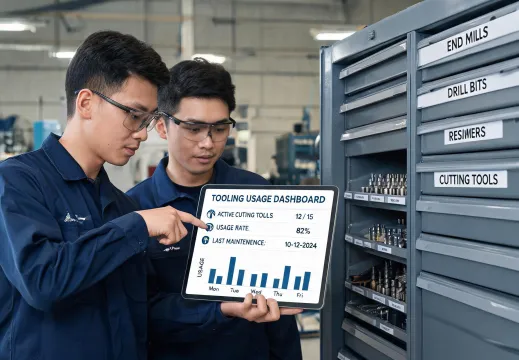
Usage history, open demand, stocking tolerance and distributor lead time are compared before reorder rules are accepted. The goal is a calm replenishment rhythm instead of reactive expediting.

Quality managers receive a documentation path for substitutes, coating revisions, PPAP notes and first-article questions. When sourcing changes, the evidence stays visible.
Share the active catalog list, machine types, materials, annual usage and pain points from the line.
Application support reviews cutting parameters, tool-life expectations, fixture limits and accepted substitutions.
Distributor contacts, escalation rules and reorder ownership are matched to every site in the program.
Approved products, certificate needs, revision notes and usage assumptions are stored with the sourcing record.
Quarterly meetings compare shortages, tool life, cost movement and quality feedback before the next demand cycle.
Use the form to describe machines, materials, part families and service regions. The response can focus on capacity, distributor routing, approved product families or documentation cleanup.